Safeguarding Kutchh’s Health & Environment
At Distromed Kutchh Services Pvt Ltd, we specialize in the safe and responsible management of bio-medical waste generated through diagnosis, treatment, immunization, research, and testing activities. Proper waste handling is essential to protect public health, preserve the environment, and meet regulatory compliance.
Bio-medical waste includes sharps, anatomical waste, contaminated disposables, and other hazardous by-products that can pose serious health and environmental risks if incorrectly managed. We follow systematic processes for collection, storage, transportation, treatment, and disposal to reduce risks and maintain safety.
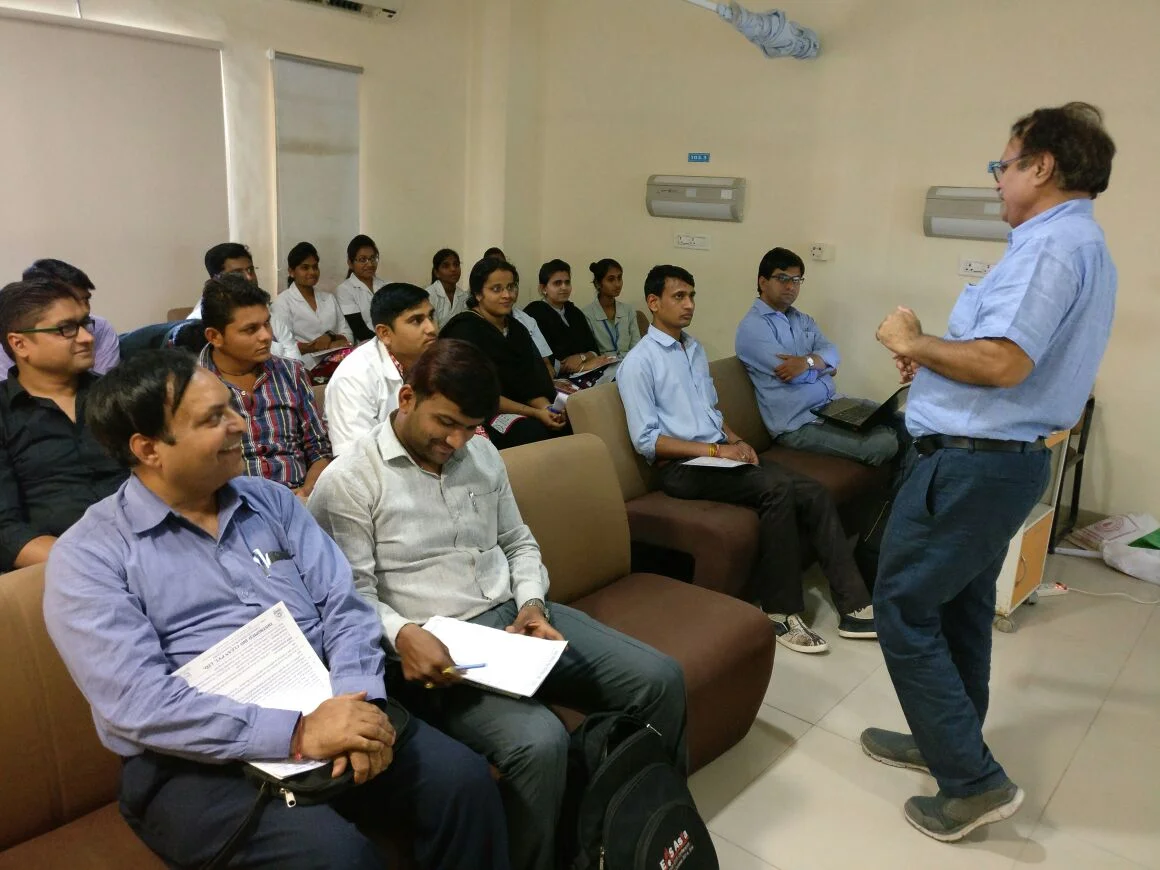
"No waste management policy will be effective unless applied daily by all involved staff, consistently and accurately. The aim of our training is to develop deep awareness in participants for health, safety, and environmental protection."
Our Mission
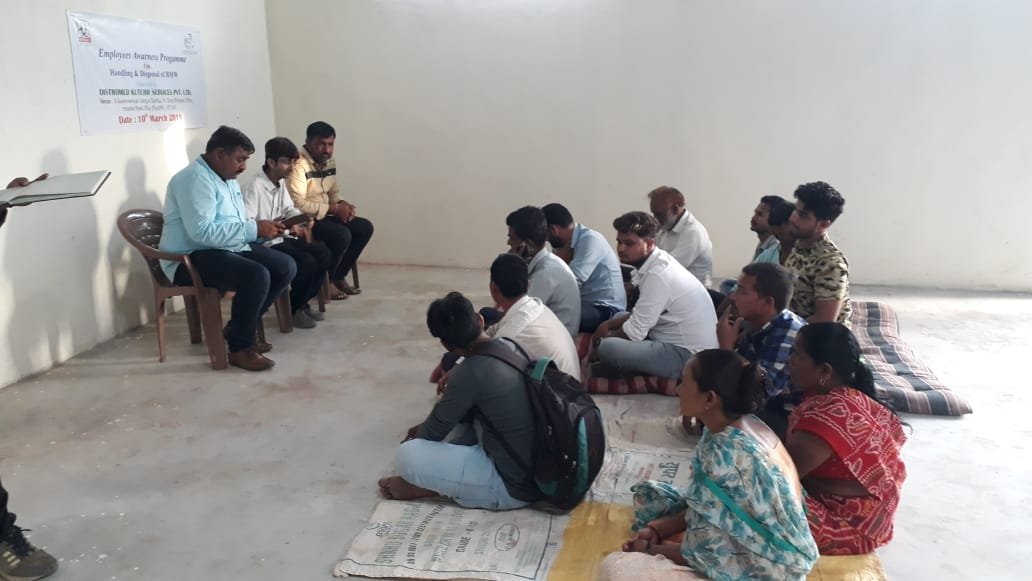
Current waste management needs continuous improvement by giving systematic education and training. Bio-medical waste management is an activity in which the active involvement of patients, doctors, and nursing staff is essential. It is not only the implementation of bio-medical waste management rules, but also public behavior that will make the lasting difference.
Consistency in Daily Application
No waste policy is effective unless applied daily by all healthcare staff, consistently and accurately.
Safety & Environmental Protection Awareness
Aim of training is to develop genuine consciousness for occupational safety and ecological protection.
Training Activities for Four Main Categories
Effective bio-medical waste management requires targeted, role-specific curriculum designed for all levels of healthcare stakeholders:
1. Personnel
Administrative and support workforce trained on facility protocols, risk reporting, and statutory guidelines.
2. Managers & Regulators
Supervisors, audit officers, and hospital administration responsible for policy compliance and GPCB documentation.
3. Doctors & Nurses
Clinical frontline practitioners responsible for point-of-generation color segregation and sharps disposal.
4. Cleaners & Handlers
Sanitation personnel, internal waste collectors, and transport drivers handling hazardous waste bags directly.
Key Training Implementation Principles:
Environmental & Public Health Impact
Understanding the grave consequences of improper waste handling and the scientific necessity of CBMWTF facilities.
Water & Soil Contamination Risks
Bio-medical waste can cause water pollution. If waste is dumped in low-lying areas, lakes, or water bodies, it can cause severe contamination. Liquid waste that spills and enters water creates a favorable medium for bacterial growth, which can lead to widespread health risks and water pollution.
In the case of heavy metals present in bio-medical waste, poor landfill practices may cause leachates that contaminate groundwater tables. Excess nutrient leachates such as nitrates and phosphates from landfills can cause eutrophication, where surface water bodies develop algal blooms altering critical parameters such as pH, BOD, DO, and COD.
There are instances where dioxins are reported from water bodies near substandard incinerator plants, entering water bodies directly from atmospheric fallout.
Disease Transmission & Wildlife Hazards
Water, land (soil), and air act as vectors for disease transmission when waste is mismanaged. Tuberculosis, pneumonia, diarrhoeal diseases, tetanus, gas gangrene, and whooping cough are common diseases spread due to improper waste management.
Human immunodeficiency virus (HIV) and hepatitis viruses are directly transmissible through bio-medical waste sharps. Open dumping in municipal dustbins and uncontrolled open burning also leads to exposure to harmful gases and carcinogens causing respiratory disease.
Bio-medical waste also severely harms animals and birds. Plastic waste chokes animals scavenging on open garbage, needle stick injuries are frequent among stray animals, and harmful chemicals like dioxins, furans, and heavy metals affect animal reproductive health and threaten endangered species.
Meet Our Management Team

Dr. Mansukh R Kathiria
Director & Healthcare Lead
Mr Vinod L Kachhadia
Chemical Operations Lead
Mr. Kiran B Avashia
Microbiologist & Quality Lead
Mr. Yogesh C Choksi
Sterilization & Quality Officer